
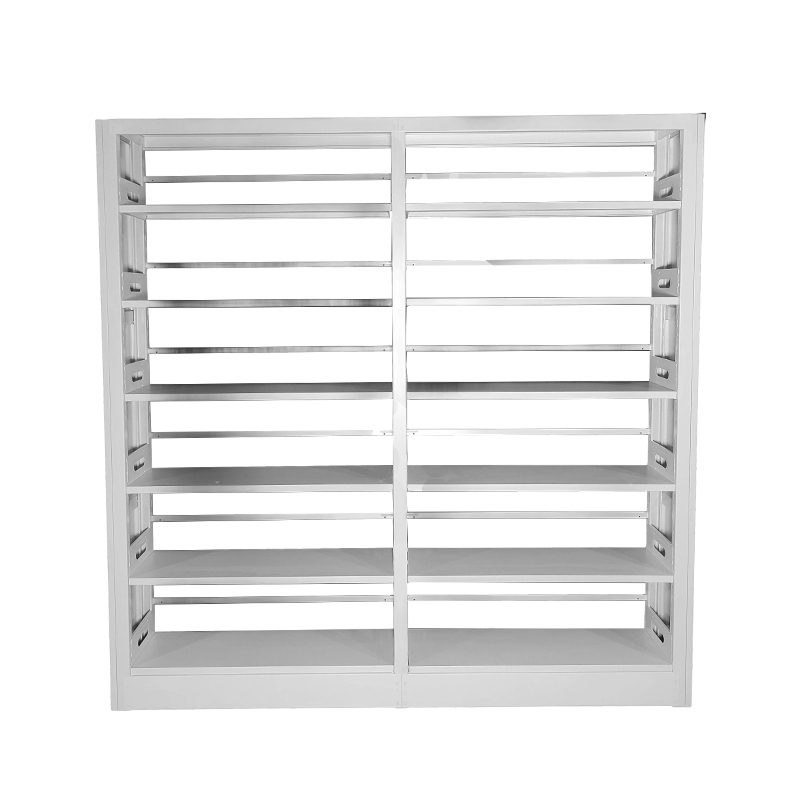
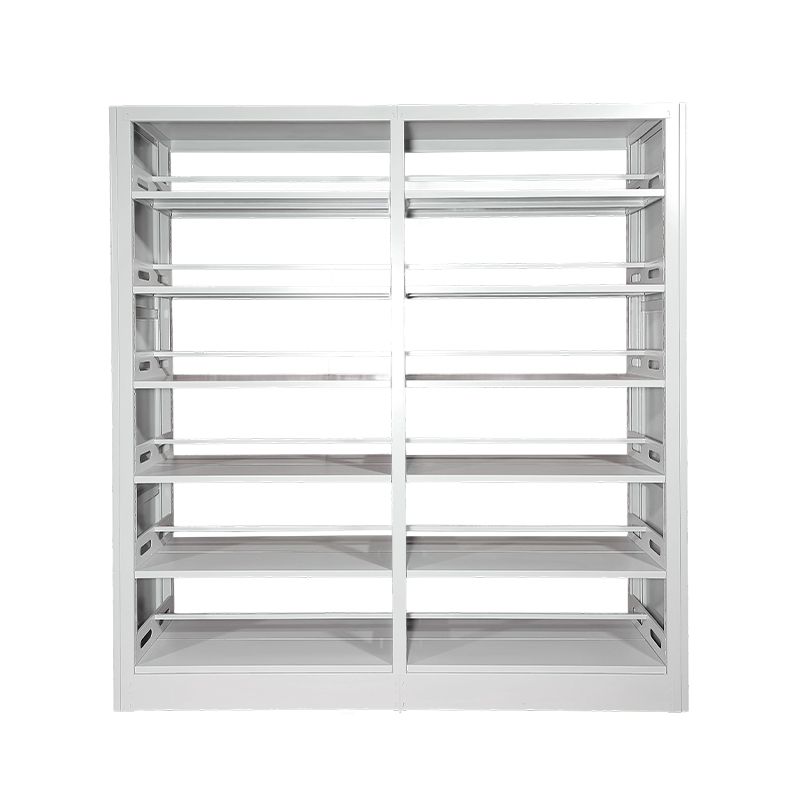


How can surface treatment improve the corrosion resistance of steel bookshelf?
Release Time : 2025-12-04
Improving the corrosion resistance of steel bookshelves requires a systematic approach to surface treatment. The core objective is to construct a durable and stable protective layer on the steel surface, preventing direct contact between moisture, oxygen, and corrosive media and the substrate. The selection of surface treatment processes must comprehensively consider the operating environment, cost budget, and processing feasibility. Common technical approaches fall into four main categories: metal coatings, chemical conversion coatings, organic coatings, and composite protective systems.
Metal coating technology forms a dense metal layer on the steel surface through electrochemical deposition or hot-dip galvanizing. Hot-dip galvanizing is the most commonly used protective method for steel bookshelves. This process immerses the steel in molten zinc, forming a composite structure of a zinc-iron alloy layer and a pure zinc layer. Zinc has a lower potential than iron, and in corrosive environments, it preferentially oxidizes to form dense products such as zinc oxide and basic zinc carbonate, effectively delaying substrate corrosion. For high-humidity or coastal environments, zinc-nickel alloy coatings or zinc-aluminum-magnesium multi-element alloy coatings can be used. By adding elements such as nickel, aluminum, and magnesium, the corrosion resistance and adhesion of the coating are improved, extending the protection period.
Chemical conversion coating treatment creates a firmly adhered compound film on the steel surface through a chemical reaction; phosphating is a typical example. The steel is immersed in a phosphate solution, forming a granular film composed of iron phosphate, zinc phosphate, etc. This porous film serves as an excellent underlayer for organic coatings, significantly improving coating adhesion. For high-end steel bookshelves, silane treatment can replace traditional phosphating. Silane molecules form a monolayer on the steel surface, offering both environmental friendliness and corrosion resistance, making it particularly suitable for surface pretreatment before powder coating.
Organic coating protection forms a continuous organic polymer film on the steel surface through spraying or immersion. Powder coating is the most mainstream coating process for steel bookshelves. This process electrostatically adsorbs epoxy resin, polyester resin, and other powder coatings onto the steel surface, curing them at high temperatures to form a uniform thickness and strong adhesion coating. It exhibits excellent chemical corrosion resistance and mechanical properties, and offers a rich color palette to meet diverse design needs. For outdoor steel bookshelf applications, fluorocarbon or polyurethane coatings can be used. These coatings have stable molecular structures, excellent resistance to UV aging, and a service life of over 10 years.
A composite protection system achieves synergistic protection by combining multiple surface treatment technologies, such as a dual-layer protection process of "hot-dip galvanizing + powder coating." The hot-dip galvanized layer provides basic cathodic protection, while the powder coating acts as a physical barrier to further block corrosive media. This dual action significantly improves the corrosion resistance of steel bookshelf in harsh environments. For ultra-long service life requirements, a passivation treatment can be added between the galvanized layer and the coating. A dense conversion film is formed on the coating surface using chromate or chromium-free passivating agents, filling the coating pores and improving overall protective sealing.
The quality of pretreatment before surface treatment directly affects the protective effect. Shot blasting or sandblasting processes are necessary to thoroughly remove oxide scale, rust, and oil from the steel surface. The surface roughness must reach Sa2.5 or higher to ensure the mechanical adhesion between the coating and the substrate. The treated steel should be coated within 4 hours to prevent secondary corrosion. For precision components or irregularly shaped structures, a combination of chemical cleaning and mechanical polishing can be used to ensure that even concealed areas meet cleanliness requirements.
Regular maintenance is key to extending the lifespan of steel bookshelves, requiring the establishment of a standardized "clean-inspect-repair" process. Daily cleaning should use neutral detergents, avoiding those containing chloride ions or acids to prevent damage to the coating. Regularly inspect the coating integrity; for scratches or peeling areas, thoroughly remove rust and reapply the same type of anti-rust paint to prevent corrosion spread. For bookshelves exposed to high humidity environments for extended periods, apply anti-rust wax or spray with vapor phase rust inhibitors to form a temporary protective layer.
Improving the corrosion resistance of steel bookshelves requires a commitment throughout their entire lifecycle, from design and manufacturing to use. By scientifically selecting surface treatment processes, strictly controlling pretreatment quality, and establishing a regular maintenance mechanism, the lifespan of bookshelves can be significantly extended, total lifespan costs reduced, and the stringent durability requirements of libraries, archives, and other similar settings met.