


Can Customizable Compact Shelves Meet the Diverse Needs of Libraries and Enterprises?
Release Time : 2026-03-25
The evolving landscape of information management in libraries and enterprises has created an urgent demand for storage solutions that are not only space-efficient but also highly adaptable to diverse operational needs. Traditional static shelving systems, while reliable, often struggle to accommodate the fluctuating volumes of materials and the varying sizes of items stored within modern institutions. This is where customizable compact shelves emerge as a transformative solution, bridging the gap between rigid infrastructure and dynamic requirements. By offering tailored configurations, these systems ensure that whether it is a historic library preserving fragile manuscripts or a bustling corporate archive managing thousands of active files, the storage environment can be meticulously aligned with specific functional goals.
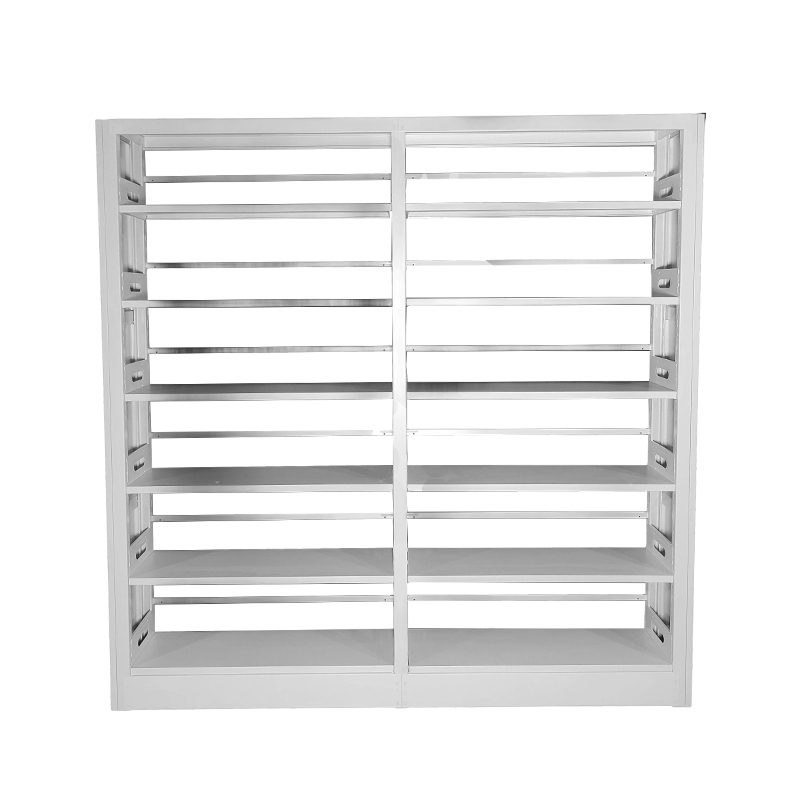
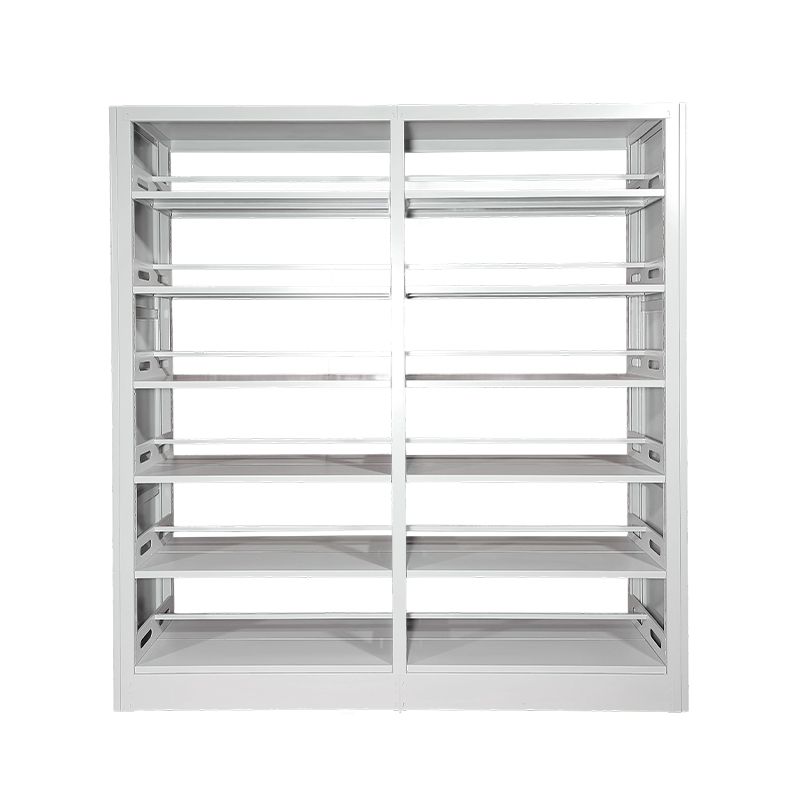
At the core of this adaptability is the modular design inherent in modern compact shelving units. Unlike fixed shelves that dictate the dimensions of the stored items, customizable systems feature layers that are flexible and adjustable. This allows administrators to reconfigure shelf heights instantly to accommodate everything from oversized architectural blueprints and bound periodicals to standard file folders and small media boxes. In a library setting, this means a single aisle can house a diverse collection without wasting vertical space on empty air above shorter items. For enterprises, it translates to the ability to scale storage density as business records grow or shrink, ensuring that every cubic inch of the facility is utilized effectively without the need for costly structural renovations.
The material engineering behind these customizable units further ensures they meet the rigorous demands of professional environments. Constructed from selected cold-rolled steel plates, these cabinets undergo advanced phosphating and electrostatic spraying processes. This treatment not only provides a rust-proof and wear-resistant surface but also guarantees a long service life even in high-traffic areas or environments with varying humidity levels, such as basements or specialized climate-controlled archives. The durability of the material means that the customization extends beyond mere arrangement; it includes the confidence that the structure will remain stable and pristine over decades of use, protecting valuable assets from environmental degradation.
Technological integration has elevated customizable compact shelves from simple storage racks to intelligent management hubs. Modern iterations often include manual, electric, and fully intelligent models, with the latter supporting features like voice control and remote retrieval. For large enterprises and university libraries, this level of sophistication is a game-changer. Staff can locate and retrieve specific files without physically traversing long aisles, significantly reducing labor time and physical strain. The ability to customize the level of automation allows institutions to choose a solution that fits their budget and workflow complexity, ensuring that the technology serves the user rather than complicating the process.
Space optimization remains the most compelling argument for adopting these systems, with the capacity to save up to 50% of floor space compared to traditional shelving. In urban centers where real estate costs are prohibitive, this efficiency allows libraries and businesses to either expand their collections within existing footprints or repurpose saved space for other critical functions like reading rooms, meeting areas, or collaborative workspaces. The mobile nature of compact shelves, driven by stable hand-cranked or electric mechanisms, creates aisles only when needed, effectively doubling the storage density without compromising accessibility. This spatial flexibility is crucial for institutions facing expansion constraints but needing to retain growing volumes of physical records.
Safety and structural integrity are paramount when dealing with heavy loads in a mobile environment. The use of laser cutting and automated welding technology ensures that the frame of these customizable shelves is exceptionally stable and load-bearing. This precision manufacturing minimizes weak points and ensures smooth operation of the mobile carriages, preventing jams or misalignments that could damage stored materials or injure users. Furthermore, customizable safety features, such as anti-tilt mechanisms and touch-sensitive stop bars, can be integrated to meet specific institutional safety standards, providing peace of mind for administrators responsible for both asset protection and personnel safety.
The concept of "one-stop" solutions in archive management is realized through the comprehensive customization options available. From the initial layout design to the final installation of intelligent tracking software, providers can tailor every aspect of the system to the unique workflow of a client. Whether an institution requires a hybrid system with both manual and electric zones or needs specific color coding and labeling systems integrated into the design, these shelves adapt seamlessly. This holistic approach eliminates the need for piecemeal upgrades and ensures that the storage infrastructure grows in harmony with the organization’s evolving needs.
In conclusion, customizable compact shelves represent more than just a storage upgrade; they are a strategic asset for libraries and enterprises aiming for operational excellence. By combining robust material science, flexible design, and intelligent technology, these systems address the diverse and often conflicting needs of modern information management. They offer a sustainable path forward, maximizing space, enhancing accessibility, and ensuring the longevity of stored materials. As institutions continue to grapple with the challenge of balancing physical archives with digital transformation, the ability to customize storage solutions ensures that physical records remain organized, accessible, and protected, proving that adaptability is the key to enduring efficiency in the archival world.
At the core of this adaptability is the modular design inherent in modern compact shelving units. Unlike fixed shelves that dictate the dimensions of the stored items, customizable systems feature layers that are flexible and adjustable. This allows administrators to reconfigure shelf heights instantly to accommodate everything from oversized architectural blueprints and bound periodicals to standard file folders and small media boxes. In a library setting, this means a single aisle can house a diverse collection without wasting vertical space on empty air above shorter items. For enterprises, it translates to the ability to scale storage density as business records grow or shrink, ensuring that every cubic inch of the facility is utilized effectively without the need for costly structural renovations.
The material engineering behind these customizable units further ensures they meet the rigorous demands of professional environments. Constructed from selected cold-rolled steel plates, these cabinets undergo advanced phosphating and electrostatic spraying processes. This treatment not only provides a rust-proof and wear-resistant surface but also guarantees a long service life even in high-traffic areas or environments with varying humidity levels, such as basements or specialized climate-controlled archives. The durability of the material means that the customization extends beyond mere arrangement; it includes the confidence that the structure will remain stable and pristine over decades of use, protecting valuable assets from environmental degradation.
Technological integration has elevated customizable compact shelves from simple storage racks to intelligent management hubs. Modern iterations often include manual, electric, and fully intelligent models, with the latter supporting features like voice control and remote retrieval. For large enterprises and university libraries, this level of sophistication is a game-changer. Staff can locate and retrieve specific files without physically traversing long aisles, significantly reducing labor time and physical strain. The ability to customize the level of automation allows institutions to choose a solution that fits their budget and workflow complexity, ensuring that the technology serves the user rather than complicating the process.
Space optimization remains the most compelling argument for adopting these systems, with the capacity to save up to 50% of floor space compared to traditional shelving. In urban centers where real estate costs are prohibitive, this efficiency allows libraries and businesses to either expand their collections within existing footprints or repurpose saved space for other critical functions like reading rooms, meeting areas, or collaborative workspaces. The mobile nature of compact shelves, driven by stable hand-cranked or electric mechanisms, creates aisles only when needed, effectively doubling the storage density without compromising accessibility. This spatial flexibility is crucial for institutions facing expansion constraints but needing to retain growing volumes of physical records.
Safety and structural integrity are paramount when dealing with heavy loads in a mobile environment. The use of laser cutting and automated welding technology ensures that the frame of these customizable shelves is exceptionally stable and load-bearing. This precision manufacturing minimizes weak points and ensures smooth operation of the mobile carriages, preventing jams or misalignments that could damage stored materials or injure users. Furthermore, customizable safety features, such as anti-tilt mechanisms and touch-sensitive stop bars, can be integrated to meet specific institutional safety standards, providing peace of mind for administrators responsible for both asset protection and personnel safety.
The concept of "one-stop" solutions in archive management is realized through the comprehensive customization options available. From the initial layout design to the final installation of intelligent tracking software, providers can tailor every aspect of the system to the unique workflow of a client. Whether an institution requires a hybrid system with both manual and electric zones or needs specific color coding and labeling systems integrated into the design, these shelves adapt seamlessly. This holistic approach eliminates the need for piecemeal upgrades and ensures that the storage infrastructure grows in harmony with the organization’s evolving needs.
In conclusion, customizable compact shelves represent more than just a storage upgrade; they are a strategic asset for libraries and enterprises aiming for operational excellence. By combining robust material science, flexible design, and intelligent technology, these systems address the diverse and often conflicting needs of modern information management. They offer a sustainable path forward, maximizing space, enhancing accessibility, and ensuring the longevity of stored materials. As institutions continue to grapple with the challenge of balancing physical archives with digital transformation, the ability to customize storage solutions ensures that physical records remain organized, accessible, and protected, proving that adaptability is the key to enduring efficiency in the archival world.