


How can the exterior design of the steel bookshelf be improved to enhance its integration with the interior environment?
Release Time : 2026-04-01
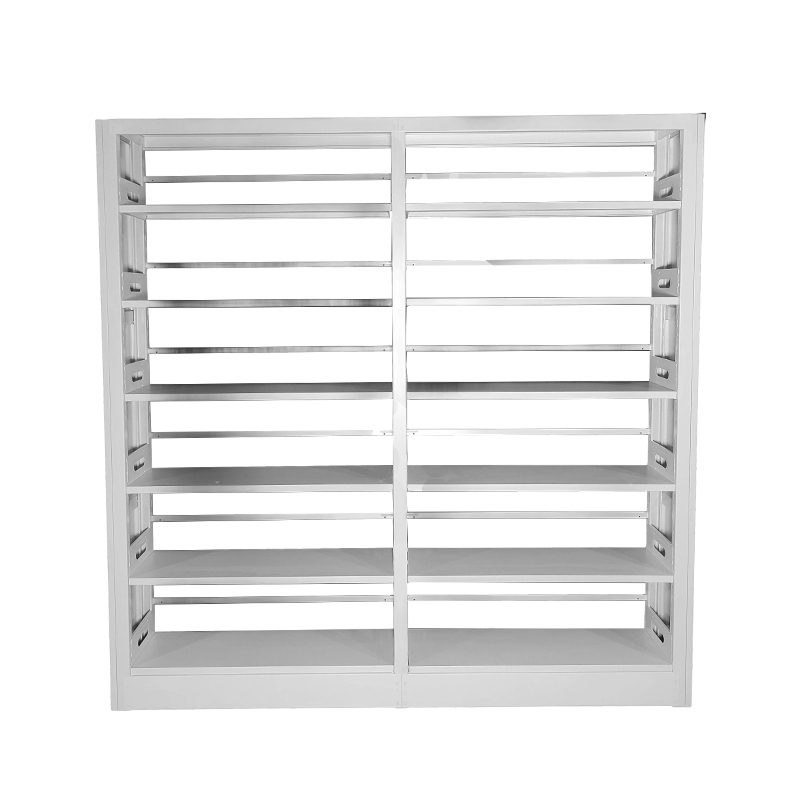
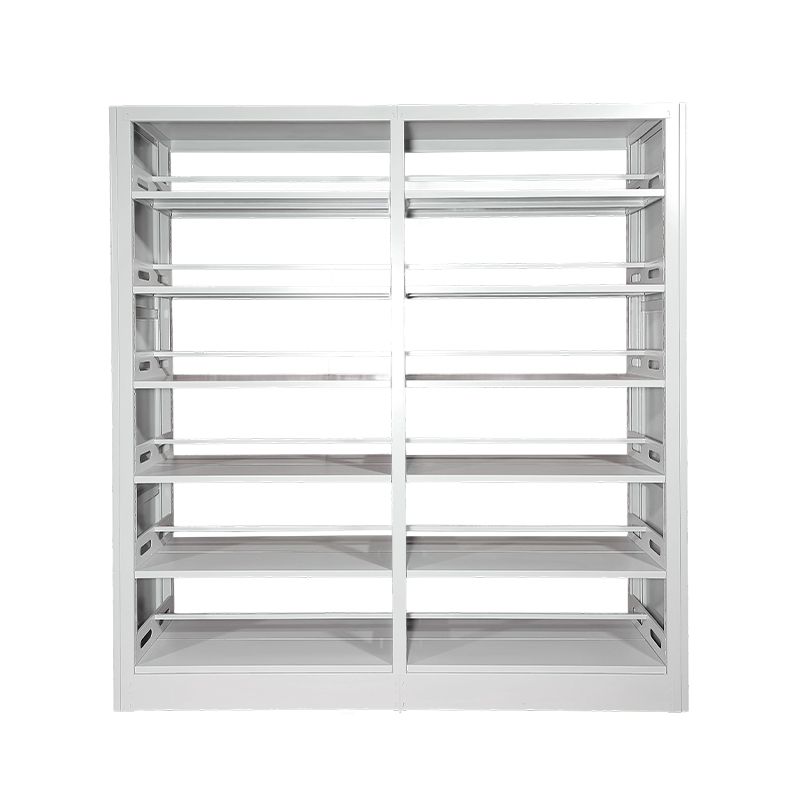
As a type of furniture that combines practicality and decoration in interior spaces, steel bookshelves require a design that balances functionality and aesthetics to better integrate into diverse interior environments. Traditional steel bookshelves often clash with warm or personalized interior atmospheres due to their monotonous colors, rigid shapes, or harsh materials. Improving their design requires a comprehensive consideration of color matching, form innovation, material integration, detail processing, and scene adaptation, enhancing the harmony between the bookshelf and its environment through refined design.
Color is the primary factor affecting the integration of bookshelves with the interior environment. Traditional steel bookshelves often use cool tones like gray, black, or white, which, while reflecting industrial simplicity, can easily make the space appear monotonous. Improvements can introduce warm tones or low-saturation Morandi colors, such as light wood, off-white, or light gray, to soften the coldness of the metal and create a warm or natural atmosphere. Furthermore, the color of the bookshelf can be customized to match the main color scheme of the interior. For example, white and natural wood tones can be used in a Scandinavian-style space, while dark gray and metallic tones can be used in a modern minimalist style, making the bookshelf an extension of the environment rather than an obtrusive presence.
Formal innovation can give steel bookshelves a stronger sense of design and adaptability. While traditional rectangular shelf structures are practical, they lack variety. Modern designs often break the monotony by using tilted shelves, curved edges, or irregular arrangements. For example, some shelves can be designed with a 15-degree tilt, making it easier to access books and adding a dynamic visual effect; or wave-shaped shelves can be used to simulate natural forms, echoing an organic-style interior environment. In addition, modular design is also a trend. Combinable unit components (such as square and hexagonal modules) allow users to freely assemble them according to their spatial needs, enabling the bookshelf to fit against corners or be used as a partition, enhancing functionality and flexibility.
Material integration is key to improving the integration of the bookshelf with its environment. Pure steel bookshelves can easily appear cold; combining them with materials such as wood, glass, or fabric can soften the visual effect. For example, cladding a steel frame with thin wood panels or rattan panels retains the load-bearing capacity of the metal while adding a natural texture; or embedding transparent glass along the edges of the shelves increases the sense of openness, suitable for small spaces. Some high-end designs also employ a steel-wood hybrid structure, such as steel columns paired with solid wood shelves, highlighting a sense of layering through material contrast while meeting the need for a blend of modern and retro styles.
Detailed treatment can significantly enhance the sophistication and approachability of a bookshelf. Traditional bookshelves often have right angles, which can pose safety hazards and appear harsh. Improvements include rounding the edges or wrapping them with anti-collision silicone strips, protecting books and preventing bumps. Furthermore, connecting components (such as screws and rivets) can be concealed through designs (such as built-in clips or embedded connections) to reduce visual clutter and create a cleaner overall look. Some designs also add decorative openwork patterns (such as geometric or botanical patterns) to the back or sides of the bookshelf, enhancing the artistic feel through light and shadow effects and making it a visual highlight of the space.
Lighting design can infuse steel bookshelves with warmth and ambiance. Traditional bookshelves rely solely on indoor lighting, easily casting shadows on taller books. An improved solution is to embed LED light strips at the bottom of the shelves, using soft, indirect lighting to highlight book covers while creating a warm reading atmosphere. The color temperature of the lighting needs to be coordinated with the main indoor light source; for example, warm white (2700K-3000K) is used for bedroom bookshelves, while neutral white (4000K-4500K) is used for study bookshelves. Some smart bookshelves also support adjustable brightness or color temperature, allowing users to flexibly adjust according to their needs (such as reading or display), further enhancing the bookshelf's interactivity with its environment.
Scenario-based design is the ultimate direction for improving integration. Different spaces (such as living rooms, studies, and children's rooms) have different functional and aesthetic requirements for bookshelves. For example, living room bookshelves need to balance display and storage, employing a combination of open and closed designs. Closed cabinets at the bottom store miscellaneous items, while open shelves at the top display artwork or books. Children's room bookshelves, on the other hand, should be lower in height and feature rounded corners. Bright pastel colors and cartoon stickers can be used to stimulate children's reading interest. By optimizing the design for specific scenarios, bookshelves can more precisely meet user needs, becoming an indispensable part of the space.
Improving the appearance of steel bookshelf requires a multi-dimensional approach, considering color, form, materials, details, lighting, and contextualization. Refined design softens the coldness of metal, enhancing both artistry and practicality. The ultimate goal is for bookshelves to exist not only as storage tools but also as an organic whole with the interior environment, improving the overall aesthetics and user experience of the space.